

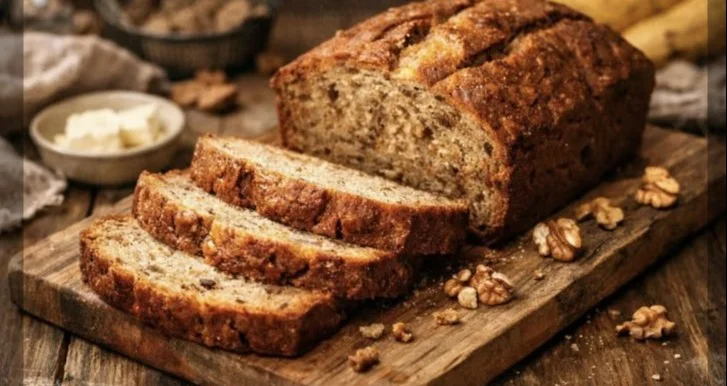
The delicate layers and harmonious flavors of international baked goods invite an exploration of global culinary traditions. Bread, in its myriad forms, is a fundamental staple that transcends cultural boundaries and speaks to the heart of home cooking. From the rustic loaves of Europe to the fragrant flatbreads of the Middle East, each recipe is a testament to regional ingredients and techniques that have been honed over generations. This collection showcases the artistry of bread-making, offering both an experiential journey and a practical guide to create these masterpieces in your own kitchen.
Why you’ll love this dish
The beauty of bread lies not only in its versatility but also in the tactile experience of creating it. Kneading dough is a therapeutic process that transforms simple ingredients into a golden loaf, while the aroma of freshly baked bread can transform any space into a welcoming haven. Recipes such as these celebrate the intricate dance between flour, water, salt, and yeast, resulting in textures ranging from crusty to soft.
"Every slice tells a story, each crumb sings of tradition."
Engaging with these recipes allows for a deeper appreciation of varied culinary heritages. Whether you are seeking to impress at a gathering or simply indulge in a self-made comfort food, this journey into bread-making is a rewarding endeavor.
How this recipe comes together
To master the art of bread-making, one must begin with a robust understanding of the foundational steps. The key process typically involves mixing, kneading, proofing, shaping, and finally baking. Each phase requires attention to detail, as this will govern the success of the final product.
Prep Time: 20 min | Cook Time: 30 min | Total Time: 50 min
What you’ll need
- Flour: All-purpose flour is commonly used for its balanced gluten content, allowing for a good structure and chew.
- Yeast: Active dry yeast is preferred for its reliability and ease of use; ensure it is fresh for optimal rising.
- Water: Use lukewarm water to activate the yeast without killing it.
- Salt: Essential for flavor and controlling yeast activity.
- Sugar or Honey: A small amount enhances browning and provides food for the yeast.
- Oil or Butter: Adds richness and contributes to a tender crumb.
Step-by-step instructions
Activate the yeast: Combine warm water with yeast and a pinch of sugar. Let it sit until frothy, about 5-10 minutes, which indicates the yeast is alive.
Mix the dry ingredients: In a large bowl, whisk together flour and salt. Create a well in the center of the flour mixture.
Combine: Pour the yeast mixture into the well, followed by any oil or melted butter. Stir until the dough begins to form.
Knead: Transfer the dough to a floured surface. Knead for about 8-10 minutes until smooth and elastic, which develops the gluten necessary for structure.
First rise: Place the kneaded dough in a lightly oiled bowl, cover it with a cloth, and allow it to rise until doubled in size, roughly 1-2 hours.
Shape: After the rise, punch down the dough and shape it into a loaf or desired form.
Second rise: Let the shaped dough rise again, covered, until puffy, typically 30-45 minutes.
Bake: Preheat the oven to the appropriate temperature (usually around 375°F or 190°C), and bake for 25-30 minutes until golden brown and hollow-sounding when tapped on the bottom.
Best ways to enjoy it
Freshly baked bread stands delicious on its own, but it can be elevated with simple accompaniments. Consider serving it with flavored butters or artisan olive oil for dipping. For a more substantial meal, pair slices with soups, cheeses, or cured meats. Toasting slices for brunch enhances its versatility, making it a perfect base for toppings such as avocados or poached eggs.
Storage and reheating tips
To maintain freshness, store the bread in a cool, dry place wrapped in a clean kitchen towel. If it is to be consumed over several days, consider slicing beforehand and freezing in an airtight bag. This way, you may toast slices directly from the freezer, retaining the bread’s delightful texture. For best food safety, consume sliced bread within 2-3 days or freeze for longer storage.
Helpful cooking tips
One common pitfall in bread-making is under-kneading the dough. Ensuring that the dough is kneaded sufficiently develops gluten, creating a strong structure that holds air bubbles produced during fermentation. Additionally, be mindful of your kitchen’s temperature; yeast thrives in warm environments. If your kitchen is cool, consider placing the dough in a slightly warmed oven (turned off) to create an ideal rising environment.
Recipe variations
Experimentation with flavors can yield delightful results. Incorporating herbs, seeds, or grains can add both flavor and texture. For a richer bread, try including grated cheese or caramelized onions in the dough. Adjusting the type of flour—such as whole wheat or specialty flours like spelt—offers health benefits and unique tastes, allowing the recipe to reflect personal preferences and dietary needs.
FAQ
What if my bread doesn’t rise?
If your bread does not rise, it may be due to inactive yeast. Always check the expiration date of your yeast and properly activate it with warm water.
Can I use whole wheat flour instead of all-purpose flour?
Absolutely, whole wheat flour can be used, though you may need to adjust the hydration level, as it absorbs more water than all-purpose flour.
How do I know when the bread is fully baked?
A loaf is properly baked when it has a golden crust and sounds hollow when tapped on the bottom. An internal temperature of around 190°F (88°C) is also a good indicator.
Engaging with these global bread recipes offers not just a culinary challenge, but an opportunity to connect with time-honored traditions from around the world. Each loaf is an invitation to explore, experiment, and share, making the kitchen a place of joy and creativity.
Print
Homemade Bread
- Total Time: 50 minutes
- Yield: 1 loaf 1x
- Diet: Vegetarian
Description
Craft delightful homemade bread with this step-by-step recipe, celebrating the art of traditional bread-making.
Ingredients
- 4 cups All-purpose flour
- 1 packet Active dry yeast
- 1 ½ cups Lukewarm water
- 1 teaspoon Salt
- 1 tablespoon Sugar or Honey
- 2 tablespoons Oil or Butter
Instructions
- Activate the yeast: Combine warm water with yeast and a pinch of sugar. Let it sit until frothy, about 5-10 minutes.
- Mix the dry ingredients: In a large bowl, whisk together flour and salt. Create a well in the center.
- Combine: Pour the yeast mixture into the well, followed by any oil or melted butter. Stir until the dough begins to form.
- Knead: Transfer the dough to a floured surface. Knead for about 8-10 minutes until smooth and elastic.
- First rise: Place the kneaded dough in a lightly oiled bowl, cover with a cloth, and allow to rise until doubled, roughly 1-2 hours.
- Shape: Punch down the dough and form it into a loaf or desired shape.
- Second rise: Let the shaped dough rise again, covered, until puffy, typically 30-45 minutes.
- Bake: Preheat oven to 375°F (190°C), and bake for 25-30 minutes until golden brown.
Notes
For best results, ensure your yeast is fresh and follows proper rising techniques. Experiment with flavors like herbs or cheese to make it your own.
- Prep Time: 20 minutes
- Cook Time: 30 minutes
- Category: Baking
- Method: Baking
- Cuisine: Global
Nutrition
- Serving Size: 1 slice
- Calories: 150
- Sugar: 1g
- Sodium: 150mg
- Fat: 3g
- Saturated Fat: 1g
- Unsaturated Fat: 2g
- Trans Fat: 0g
- Carbohydrates: 28g
- Fiber: 1g
- Protein: 4g
- Cholesterol: 0mg
Keywords: bread, homemade bread, baking, yeast bread, comfort food